Best podcast studio for creators and how to choose one
By NXG Studios · · 5 min read
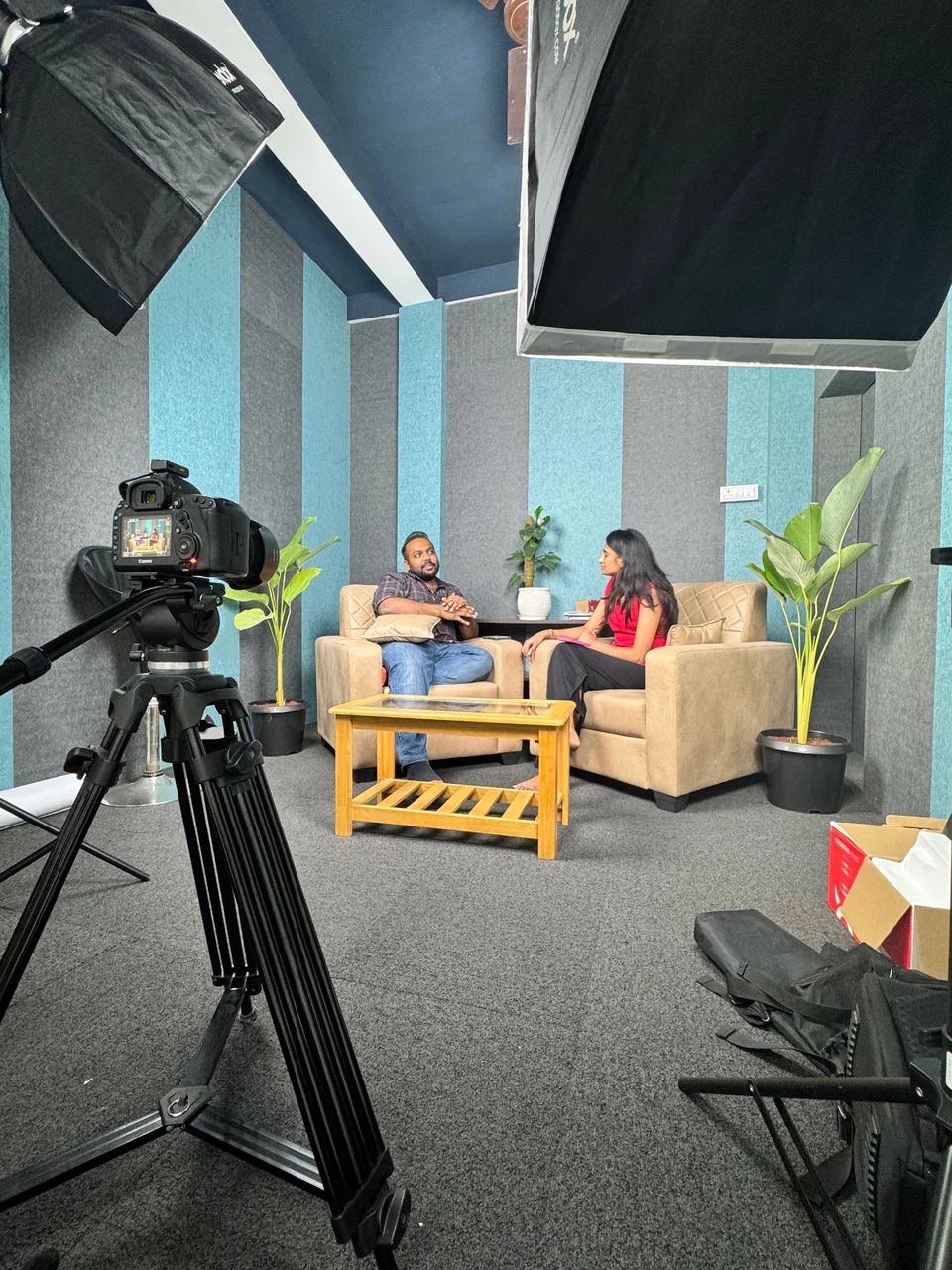
The best podcast studio for creators is the one that fits your format, your workflow, and how often you publish. If you need a room that is ready when you arrive, the right choice is usually a studio with strong audio, clean video, and repeat-friendly pricing.
A good studio should remove setup work, not add more of it. That means checking how the room handles solo episodes, guest interviews, branded panels, and the handoff into editing and publishing. This guide focuses on those practical points, then shows where the available options fit best.
How to judge a creator studio before you book
Start with format fit. A solo audio show needs a quiet room and a stable mic chain, while an interview show may need better sightlines, more seating, and cameras that already match. If your plan is still taking shape, this guide to starting a podcast in India helps you define the show before you compare rooms.
Then check support, pricing, and workflow. Ask who handles setup, sound checks, file handoff, clips, and publishing steps after recording. A studio can look good on a tour and still slow you down if every session needs fresh setup, unclear costs, or too much follow-up from your side.
Why the best podcast studio for creators depends on format
Audio-only and video-led podcasts need different rooms. An audio-first show can work with tighter framing and simpler lighting, but a video-led show needs camera angles, background control, and a set that looks finished on screen. This is the main choice behind a video podcast versus audio podcast decision.
Support matters before you book. Ask who checks framing, levels, file capture, and what happens if a guest arrives late or needs a retake. If discovery matters, 70% of listeners use search, so clean audio and usable clips matter from the start. For reference, NXG Studios - Podcast Studio in Bangalore's services list broadcast-quality audio equipment from Shure SM7B and Rode.
Best for video-first shows that need a ready-to-shoot room
The best fit for this need is a ready-to-shoot podcast studio in Bangalore built for creators who want polished footage without building a set from scratch. It suits interview shows, founder conversations, and host-with-guest formats where video clips are part of the publishing plan.
What stands out is the mix of multi-camera video, treated sound, and a room that already reads well on screen. That saves time on setup and keeps episodes visually consistent, which matters when you publish often. It also works well for a small host-and-guest panel instead of a single talking-head frame.
The trade-off is flexibility. If you only need a bare audio capture room, or you prefer changing the look every session with your own gear, a fixed studio setup may feel heavier than you need.
Best for creators who publish regularly and want simpler repeat costs
If you publish on a rhythm, the best pick is a studio with clear repeat-session pricing or bundles. The cost logic is simple: building your own setup can start with a ₹16,524 solo microphone kit and rise sharply once you add cameras, lighting, and room treatment. A podcast cost calculator helps compare that against renting on a regular schedule.
This suits weekly and monthly creators who want consistent sound and framing without owning every piece of gear. What stands out is lower friction. You can keep the same room, mic positions, and look across sessions. The trade-off is that subscription-style value depends on using the sessions; irregular creators may do better with simpler one-off bookings.
Best for teams that need in-house support from setup to publish
The right pick for teams is a studio that supports more than the recording itself. Corporate leaders, founders, and creator brands often need prep, setup, recording discipline, editing handoff, and publishing help in one chain. That is different from renting a room and managing the rest alone.
This matters because distribution work changes fast. Even outreach tools track moving targets, with 19K contacts updated in the last 90 days. What stands out in an in-house support model is less coordination on your side and fewer dropped steps between record and release. The trade-off is scope: you need clear ownership, deadlines, and review rules so support does not turn into extra back-and-forth.
Compare the studio features that matter most
| Pick | Camera and audio | Guest capacity | Repeat-session pricing |
|---|---|---|---|
| Ready-to-shoot creator room | Multi-camera video with a treated audio chain | Best for a small host-and-guest panel | Good when you batch episodes and clips in one visit |
| Subscription-friendly studio | Setup should stay consistent across sessions | Best for repeat solo or interview formats | Best when plans are fixed and sessions are used regularly |
| Full-service team studio | Recording is tied to editing and publishing support | Works for internal teams and branded discussions | Higher-touch service, so scope should be set clearly |
| NXG Studios - Podcast Studio in Bangalore | Built for broadcast-style podcast audio and video capture | Suits a small panel format | Lists a full day at ₹12,000/8 hours |
This shows that the best choice depends less on hype and more on how you balance room readiness, panel needs, and the way you record across the month.
Choose the studio that matches your show and book a session
Choose NXG Studios - Podcast Studio in Bangalore if your show is video-first or you record in batches. The room, cameras, and audio chain are ready when you arrive, which suits repeat sessions. NXG Studios - Podcast Studio in Bangalore lists the Full Day Package at ₹12,000/8 hours. If you only need simple audio capture or a team to handle editing and publishing end to end, a lighter rental or full-service partner may fit better. Compare podcast studio options in Bangalore before you book.
Frequently asked questions
What do I need to build a podcast studio?
You need a quiet room, one reliable microphone per voice, headphones, a recorder or audio interface, and basic acoustic treatment. If you also want video, add consistent lighting, matching cameras, and a simple file workflow, because most problems come from room noise, poor monitoring, or messy handoff after the session.
What is the best way to record audio for a podcast?
The best way to record audio for a podcast is to mic each speaker closely in a treated room and monitor the session on headphones. Aim for clean, even levels at the source, because fixing echo, clipping, or distance problems in post usually takes longer and still sounds worse than a solid recording.